
Part Seven of the investigation in the Birmingham Mayor Randall Woodfin: The Web of Accountability—How Randall Woodfin, Ed Fields, and Josh Coleman Crossed the Line into State and Federal Violations

By Christopher M Peeks August 30, 2026

When examining the Randall Woodfin administration, the intersection of money and municipal power has moved far beyond minor bookkeeping discrepancies into gross violations of state and federal law. Controlled by a tight circle of insiders—specifically Ed Fields and Josh Coleman—the administration has crossed from public governance into building a political empire, leveraging taxpayer funds and municipal resources to establish off-the-books financing loops that function like a RICO criminal enterprise.
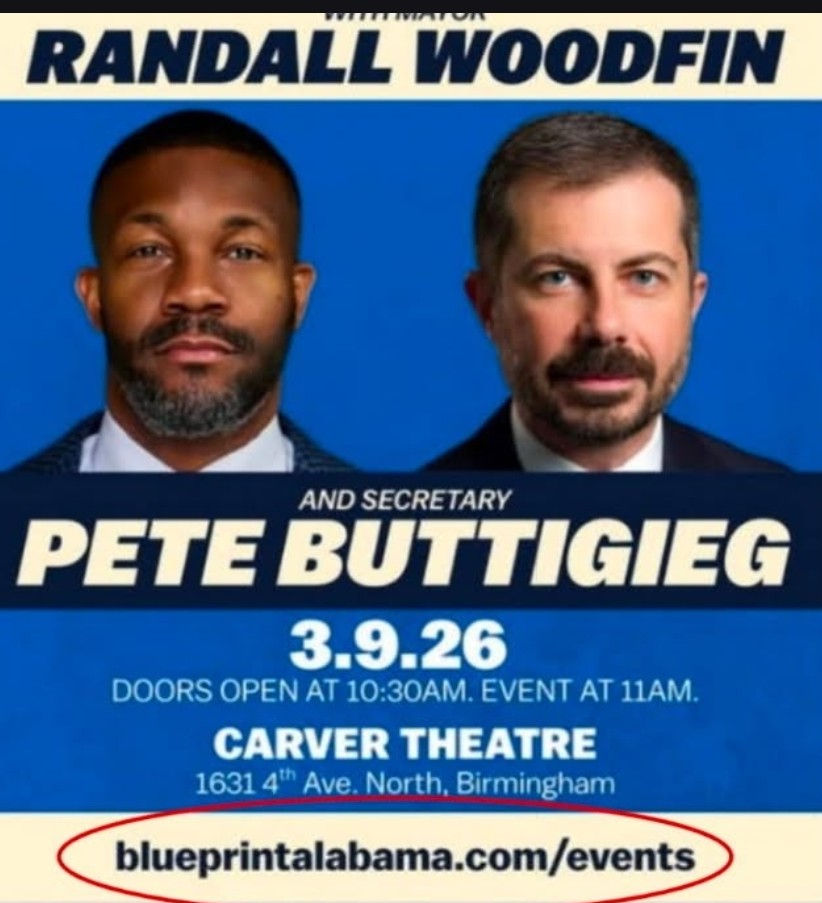
Under the Alabama Fair Campaign Practices Act (Title 17, Chapter 5), candidates and political committees are strictly bound to transparency. Routing contributions through layered political action committees, such as Next Generation PAC and Blueprint Alabama PAC, to obscure original financial sources runs counter to core disclosure mandates.

Under Section 17-5-19, intentional failures to file accurate reports or misrepresenting true funding origins carry severe administrative penalties and potential misdemeanor charges.
This exposure compounds under the Alabama Ethics Act (Title 36, Chapter 25). Public officials and municipal employees are prohibited from leveraging their official positions, public resources, or administrative staff—like Ed Fields—to benefit private entities or coordinate aligned political networks.
Furthermore, dual-role arrangements where individuals simultaneously hold municipal positions and manage private political or communications vendors, as observed with figures like Josh Coleman, breach conflict-of-interest prohibitions if inside municipal access is used to secure commercial or political advantage.
Beyond state lines, any integration of federal funds, municipal relief packages, or public grants into these operations brings federal oversight agencies and the U.S. Attorney's Office directly into the fold regarding potential statutory breaches:
18 U.S.C. § 666 (Theft or Bribery Concerning Programs Receiving Federal Funds): Criminalizes the intentional misapplication or conversion of property or funds valued at $5,000 or more belonging to a local government receiving over $10,000 in federal assistance within a one-year period.
18 U.S.C. § 1343 (Fraud by Wire, Radio, or Television): Prohibits executing any scheme or artifice to defraud—including depriving citizens of honest services or misapplying public resources—utilizing interstate wire, digital, or electronic communications.
Christopher M. Peeks
Reporter and Columnist
Alabama Political Contributor



Comments